
The Purge Culture Trap
Every January and September the internet explodes with dramatic closet purge videos. People throwing mountains of clothes into donation bins, declaring minimalist victory, only to find themselves shopping again six weeks later.
I’ve seen it happen in real life too many times. Women come to me exhausted and ashamed after another failed purge, wondering why they can’t stick to the “capsule wardrobe of 37 items” they saw online.
Here’s the truth I learned after years in dressing rooms: Your closet doesn’t need a purge. It needs a plan.
Why Purges Usually Backfire
Dramatic purges create three big problems:
Emotional whiplash — You feel virtuous for one weekend, then guilty when you need that specific black sweater two months later.
Decision fatigue — Getting rid of everything at once is overwhelming and rarely sustainable.
Rebuying cycle — Without a clear plan for what stays and what replaces the discards, you end up buying similar mistakes again.
The women who succeed long-term aren’t the ones who purge hardest. They’re the ones who approach their closet with honesty, strategy, and kindness.
The Planning Mindset Shift
Instead of asking “What can I get rid of?” start asking better questions:
What do I actually wear in my real life?
What gaps exist between my current wardrobe and my daily needs?
What items deserve a second chance with better styling or minor repairs?
What boundaries can I set around future purchases?
This approach respects your history with clothes while creating space for better decisions moving forward.
My 4-Step Closet Planning Process

Step 1: The Honest Inventory (30-45 minutes)
Use the 20-minute audit method from earlier, but go deeper. Group items by how often they’re actually worn: Daily Heroes, Sometimes Players, and Rarely Touched.
Be specific. “This sweater makes me feel frumpy” is more useful than “I never wear it.”
Step 2: Identify Your Real Life Uniform
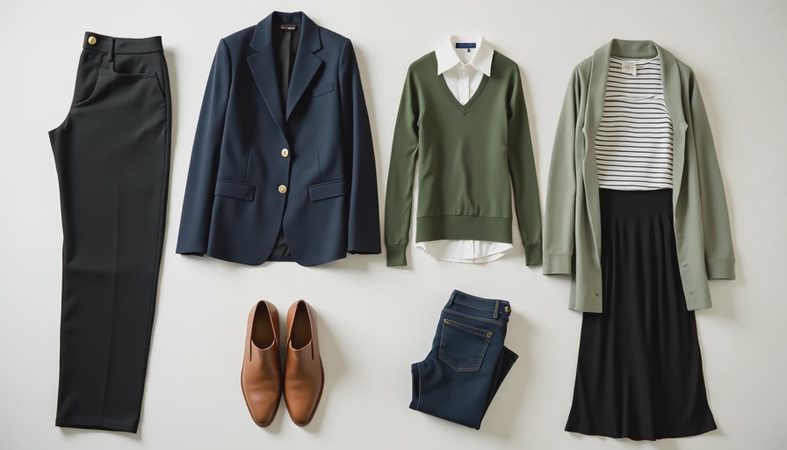
What do you wear on the majority of your Tuesdays? For many Midwestern women this includes comfortable pants, layered tops, practical shoes, and versatile jackets.
List your top 8-10 most-worn items. These are the foundation of your plan.
Step 3: Spot the Gaps
Look at your calendar for the next three months. What situations come up regularly? Parent events, work presentations, weekend activities, travel.
What do you currently reach for that’s missing or worn out? Make a short, realistic wish list.
Step 4: Create Gentle Boundaries
Decide on simple rules that work for your personality and budget. Examples:
No new items unless something leaves first
Wait 48 hours before buying anything over $30
Focus on specific gaps instead of impulse buys
Real Stories From Real Closets
One client came to me after three failed purges. Her closet was full of “aspirational” clothes for a life with more travel and fancy events. We kept the pieces that worked for her actual teacher-mom schedule and slowly replaced the rest with better versions.
Another woman had kept clothes from her pre-kids body for eight years. We gently let most of them go while celebrating the body that had carried and raised her children. The relief on her face was powerful.
These women didn’t need more discipline. They needed permission to dress for the life they were actually living.
Building a Wardrobe That Grows With You
A good plan includes:
Regular but gentle maintenance (seasonal audits)
Focus on quality basics that work hard
Permission to evolve as your life changes
Freedom from trend pressure
Your closet should support you, not stress you.
Practical Next Steps You Can Take Today
Schedule 45 minutes this week for your inventory
Take photos of your Daily Heroes for reference
Make a short gap list based on your actual calendar
Celebrate what’s already working before focusing on what’s missing
Progress, not perfection.
This Is Sustainable Fashion
The most sustainable clothes are the ones you actually wear and love for years. Not the ones that look perfect on social media but sit unused in your closet.
By making thoughtful plans instead of dramatic purges, you reduce waste, save money, and build a wardrobe that truly serves your real life.
No more guilt. Just good, honest clothes for the woman you actually are.
Dressed for your real life.


No comments yet — be the first to share a thought.