If you've been searching for 50's style women's dresses and keep landing on clothes that read as costume-party leftovers, you've come to the right place. I'm Maggie Doyle, a personal shopper in Des Moines who spent eight years in the fitting rooms at Von Maur. Over that time, I helped hundreds of women sort through racks of retro-inspired dresses. The good ones are worth the hunt, and the bad ones are easy to spot if you know what to feel for in the fabric and what to check in the mirror.
Fit Is Everything: Why Vintage Cuts Matter
Here's the thing nobody tells you about 50's style women's dresses on the modern market: they are not all cut the same. Original dresses from the 1950s had a boned bodice, a nipped waist, and full skirts that moved when you walked. Today's version might be just a cheap shirtwaist with a Peter Pan collar. Before you fall in love with a print, check the waistline. It should sit at your natural middle, not an inch above your belly button. If the zipper is straining across your ribs, walk away. I can't count how many women I've watched squeeze into a dress two sizes too small because they thought vintage means you suffer. It doesn't.
The seam allowance tells you a lot. A quality retro dress will have at least a half inch in the side seams so a tailor can let it out. If you open the back zipper and the fabric is literally fraying at the stitch line, that's not a vintage gem. That's a garment with one wash left.
Fabric and Pattern: What Reads as 1950s
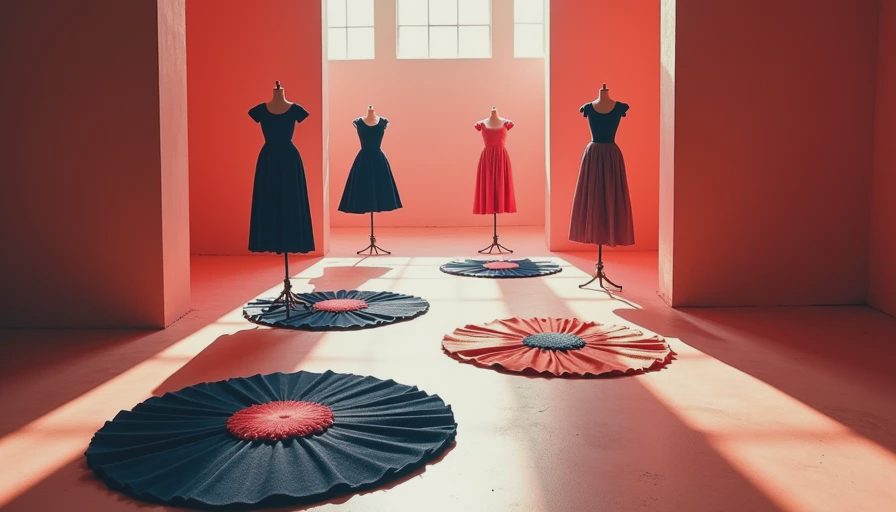
Fabric is how you tell the real from the pretend. Cotton sateen, rayon crepe, and linen blends drape the way mid-century clothes should. Stay away from stiff polyester or anything that leaves a static cling. Look for full-circle skirts with enough weight to swing, not cling. Patterns matter too: gingham, polka dots, small-scale florals, and novelty prints like cherries or flamingos all say 1950s without shouting. A chunky modern print on a stretchy bodycon dress will never pass for 50's style women's dresses no matter how many saddle shoes you pair with it.
Where to Shop: From Thrift Finds to Reliable Online Sellers
Start local if you have a good thrift store. I've found genuine 1950s cotton dresses in Des Moines flea markets for under 40 dollars. They need careful inspection for yellowed underarms and missing buttons, but that's part of the deal. Online, Unique Vintage and ModCloth both sell modern reproductions of 50's style women's dresses. Expect to pay 60 to 120 dollars for a sturdy dress from a real retro brand like Hell Bunny, Heart of Haute, or Stop Staring. If you see a dress from a mystery Instagram brand and the only photos are on a hanger, skip it. You need to see the dress on a real body, even if it's just a model. I also check eBay for deadstock items from the 1980s that copied 1950s silhouettes; those are often cheaper and cut more generously.
How to Style It for Your Real Tuesday
Now the part that matters to my clients: how do you wear a circle skirt to school pickup and the dentist? The trick is to dress it down with simple shoes and a cropped cardigan. White Keds, a thin leather belt, and a crossbody bag keep the look modern. For work, a dark swing dress with a blazer reads as professional, not theatrical. Women worry that a full skirt is going to make them look bigger than they are. That is nonsense. A skirt that starts at your natural waist and ends at the knee will make you look like you have legs. The volume balances your shoulders, and the belt shows your actual shape. If you're over 50, wear the sleeves. A short-sleeved sheath with a scoop neck is much more forgiving than a sleeveless sundress.
What Not to Buy: Costume Traps and Cheap Straps
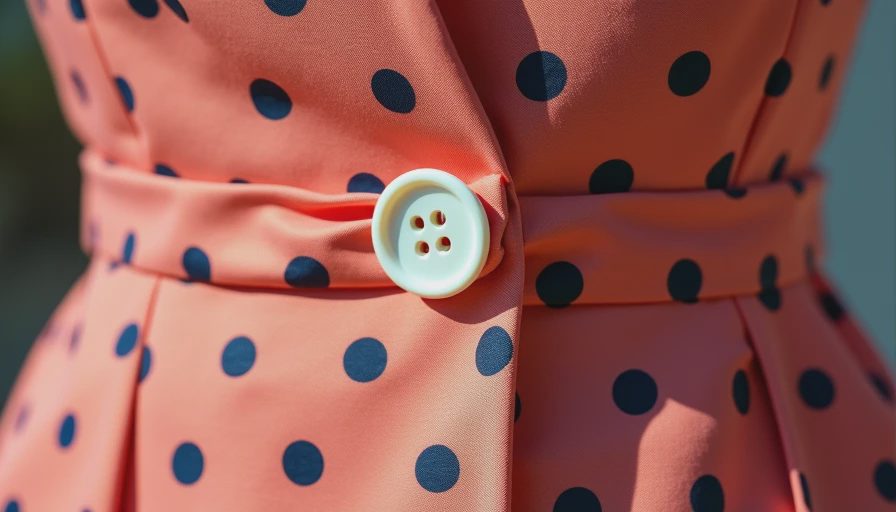
Before you hit checkout, ask three questions. Does the belt match the dress? If the belt is the same fabric and sits in a working loop, it's legit. If it's a cheap plastic thing that will curl in the wash, it's a costume. Are the straps adjustable? Halter necklines that tie behind the neck can leave you with a headache by noon, no matter how cute the print is. And do you have a bra solution? If the dress is strapless or backless, can you actually wear it for three hours? Every year someone tells me about a dress she bought for a wedding and wore for exactly one photo, then changed. That's cost-per-wear math you can't love.
Sizing Nightmares and How to Survive Them
Vintage sizing was smaller and weirder than modern sizing. A 1950s size 12 is roughly a modern size 6 or 8, sometimes bigger, sometimes smaller. Don't fixate on the number on the tag. Measure your bust, waist, and hips, then compare to the seller's size chart. When in doubt, size up. It's much easier to take in a dress than to let out a too-small one. If a modern reproduction runs small, I go one size up in a swing dress and ignore the number entirely. In the fitting room, do the chair test. Sit down in the dress. If the waistband digs into your ribs when you're seated, no amount of cute will fix that.
At the end of the day, 50's style women's dresses should make you feel like you can get through the afternoon without being mistaken for a costume. Find the one that lets you bend, breathe, and carry a diaper bag. That's how you get dressed for your real life.



No comments yet — be the first to share a thought.