Everyday casual summer outfits should do one job: get you dressed fast and keep you comfortable when the car is hot, the sidewalk is sticky, and you still have three places to go. I am not interested in clothes that only look good on a porch with iced coffee. I want the tee that does not twist, the shorts that do not ride up, and the shoes you can wear from Target to the library to a late baseball game without thinking about them every five minutes.
Everyday casual summer outfits start with fabric, not trends
If the fabric is wrong, the outfit is wrong. That is the whole sermon. Cotton jersey can be great if it has a little heft and does not cling like wet paper. Linen looks lovely, but I like linen blends better for real life because they wrinkle less and hold their shape longer. A rayon or viscose blend can drape nicely, but watch for anything so thin you can read the grocery list through it. For Midwest summer, I usually reach for cotton, linen blends, Tencel, and lightweight denim before I reach for anything shiny or slick.
A woman once came into the fitting room with two near-identical white tees. One was $14 from a discount rack and one was $28 from Lands’ End. The cheaper one looked fine on the hanger and tired on her body by noon. The better one had a thicker knit, stayed smooth at the shoulders, and looked decent after a washer-and-dryer cycle. That is the kind of difference that matters. When I fit women for everyday casual summer outfits, I am always looking for fabric that can handle heat, car seats, and an unexpected stop at the grocery store.
The same rule applies to bottoms. A stiff short can dig in. A flimsy short can look sloppy after one wear. The sweet spot is usually a midweight cotton twill, a soft denim, or a pull-on style with a flat front and enough structure to keep its shape. If you spend $35 to $70 on shorts that last three summers, the math works better than buying two cheap pairs every June.
Build the outfit from three pieces, not ten
The easiest formula is simple: one top, one bottom, one layer or accessory that makes you feel finished. That might be a crewneck tee with denim shorts and a light overshirt. Or a tank with wide-leg linen pants and a belt. Or a T-shirt dress with white sneakers and a crossbody bag. You do not need a closet full of options. You need a few combinations you trust.
For tops, I like a heavier tee in the $20 to $40 range, a ribbed tank that is thick enough to wear alone, and a short-sleeve button-down that can be tied or worn open. For bottoms, think straight-leg denim, knee-length shorts, cropped pants, and easy skirts with an elastic back if your days are full of sitting, bending, and driving. A lot of women do better with a slightly relaxed fit in summer because skin-tight clothes lose their charm fast when the humidity spikes.
This is where everyday casual summer outfits stop being a guessing game. If you already know that a scoop-neck tee and a mid-rise short make you feel calm, buy duplicates. I would rather see three good tees in navy, white, and black than twelve random tops that need special bras, special jeans, and a prayer.

What I see work for school pickup, office hours, and errands
For school pickup or a day of errands, I like an outfit that can survive getting in and out of the car. A straight-leg jean with a little stretch, a breathable tee, and a canvas sneaker is boring in the best possible way. Add a denim jacket if the office air conditioning is set to meat locker. If you want something softer, try ankle pants in a cotton blend with a simple tank and a lightweight cardigan. That outfit looks put together without acting precious.
If your life includes a desk, the trick is not to dress like it is January just because the calendar says work. A short-sleeve knit top and ankle-length trousers can look polished without trapping heat. J.Crew Factory, Gap, and Old Navy all usually carry versions in the $25 to $60 range, and Target is worth checking when you want a backup piece that does not cost a week of lunch money. The point is not status. The point is getting through the day without thinking about your waistband.
I also like one easy dress in the rotation. A T-shirt dress, shirt dress, or sleeveless midi with pockets can solve a hot day when nothing else seems appealing. Add sandals that stay on your feet and you are done. If the dress needs shaping, a belt can help, but only if you like belts. I do not believe in forcing accessories on women who already have enough to carry.
Shoes and bags should make the outfit easier, not prettier on paper
Shoes are where a lot of outfits go off the rails. If the shoe pinches, slides, or needs constant adjusting, the whole day feels longer. For summer, I like white sneakers, sporty sandals with a real sole, leather slides, and simple low-profile flats if your feet tolerate them. I do not care if the shoe is cute in a catalog if it gives you a blister in the parking lot.
A small crossbody bag is usually enough for errands. It keeps your hands free and does not turn into a black hole of receipts and lip balm. If you carry snacks, sunscreen, glasses, and the stray Band-Aid every mother somehow ends up with, go a little bigger. The bag should match the pace of your day, not your fantasy life.
When I style everyday casual summer outfits for women who swear nothing looks right on them, the fix is often this plain: make the shoe practical, make the bag easy, and let the clothes do less. That is not boring. That is relief.
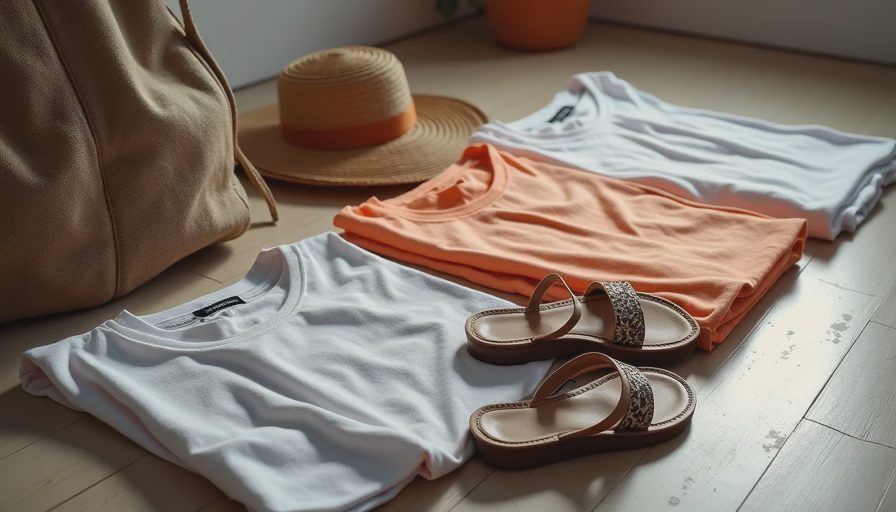
Everyday casual summer outfits get cheaper when you buy the right basics
This is where the budget talk matters. A $30 tee that gets worn twice a week all summer is a better buy than a $12 tee you keep tugging at and replacing by August. Same with shorts, shoes, and the one layer you reach for at night. Cost per wear is not fancy math. It is just common sense with receipts.
If you are shopping from scratch, I would start at Target for tees and tanks, Lands’ End for sturdier basics, Levi’s for denim shorts or jeans, and Old Navy or Gap for easy pants and simple dresses. Duluth Trading is useful if you want more durability and do not mind a less delicate fit. You do not need every piece from the same store. You need pieces that agree with each other in color, weight, and ease.
The best closet move is to pick a summer palette that works with your life. Navy, white, black, olive, tan, and faded blue make it easy to mix and match. Then add one or two colors you actually wear. Maybe coral. Maybe green. Maybe a stripe. Just do not build a closet around a color you only like in theory.
When the outfit still feels off, check the fit before you blame yourself
If your everyday casual summer outfits still feel wrong, the answer is usually not to buy more clothes. It is to check the rise, the shoulder seam, the hem, and the undergarments. A waistband that sits too low will keep sliding. A tee with a shoulder seam an inch too wide looks lazy. Shorts that are too short make you fidget. A bra that is fighting the neckline will make any top look fussy. Small fixes change everything.
I have watched women spend years saying they need a whole new body when they really needed a different cut in the same size. That is why I care so much about trying things on with the shoes and bra you actually wear. Five minutes in the dressing room can save you fifty dollars and a lot of annoyance later.
If you want an easier summer, stop chasing outfits that look good only on a graphic. Build around breathable fabric, honest fit, and a few pieces you will grab without negotiating with yourself. That is how clothes start earning their keep. Dressed for your real life.

No comments yet — be the first to share a thought.