I’ve spent years in department-store fitting rooms watching women walk in with one request: womens affordable workwear that looks capable, feels comfortable, and doesn’t require a second job to pay for it. Not a closet full of dry-clean-only pieces. Not a blazer that pinches when you reach for a file. Just clothes that can handle a Tuesday meeting, a school pickup, and a grocery run without making you feel like you got dressed in the dark.
The trick is not buying more. It’s buying a few dependable shapes in fabrics that behave, then wearing them in several combinations. A $48 pair of pants worn twice a week can earn its place faster than a $120 “special” jacket that stays on the hanger. That’s the kind of womens affordable workwear math I use with clients.
Start with the workday you actually have
Before shopping, write down what your job asks your clothes to do. A bank employee may need structured layers and closed-toe shoes. A school office worker might need washable pants, cardigans, and shoes that survive a full day on hard floors. Someone working from home but attending occasional presentations may need two camera-ready tops and one jacket, not five suits.
Look at your calendar, too. If you have three important meetings a month, spending $80 on one reliable blazer can make sense. If you’re moving between a desk, a warehouse, and a car, a soft knit jacket may serve you better than a stiff wool one. The best womens affordable workwear begins with your real movements, temperature changes, and laundry habits.
A useful starter wardrobe might include two pairs of pants, one skirt or dress if you wear them, three tops, one cardigan, and one jacket. In practical terms, that can mean black ponte pants around $35, straight-leg trousers around $45, cotton-blend blouses between $25 and $40, and a washable cardigan near $30. You’re building outfits, not collecting isolated bargains.
Spend on fit, not labels
When I worked at Von Maur, women often apologized before trying on a larger size. I would hand them the next size and say what I still believe: the number on the tag is not attending your meeting. The waistband, shoulder seam, sleeve, and rise matter much more.
For pants, sit down before you decide. The waistband should stay put without cutting into your stomach, and the pockets shouldn’t pull open across the hips. If the back waistband gaps, a tailor can sometimes fix it for $15 to $30. If the fabric strains at the thigh or the rise feels wrong, try another cut instead of hoping the garment will change its mind.
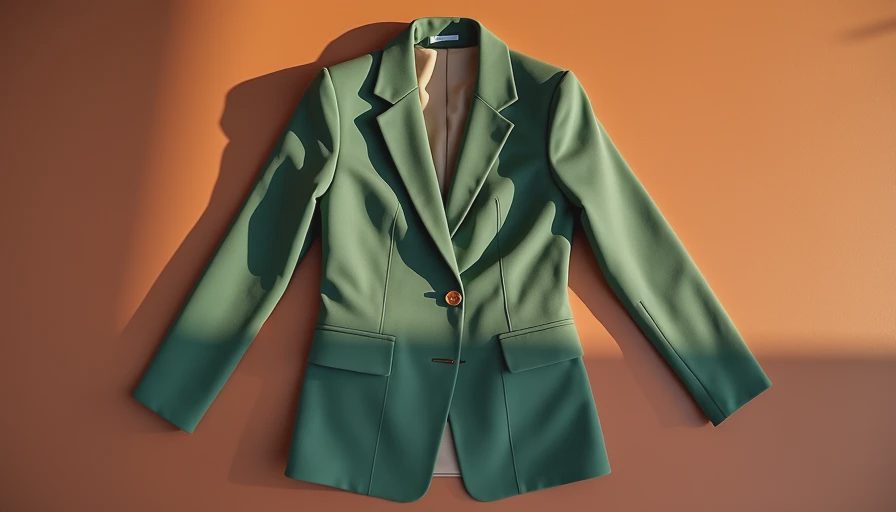
For jackets, check the shoulder first. The seam should land near the edge of your shoulder, not halfway down your arm. Button the jacket, reach forward, and lift both arms. If the fabric pulls across your back, size up or choose a stretch weave. A sleeve alteration often costs $20 to $35, which can turn a $60 jacket into something you wear for years.
This is where womens affordable workwear becomes personal. A $30 piece that needs constant tugging is expensive in patience. A $55 piece worn 60 times costs less than a $25 item worn twice.
Fabrics that earn their keep
For busy work wardrobes, I look for fabric before color. Ponte knit is useful because it has structure without feeling like formal suiting, though very thin ponte can pill quickly. A cotton-polyester blend often resists wrinkles better than pure cotton and can handle frequent washing. Rayon blends drape nicely, but read the care label; some require more attention than a working parent has time for.
Avoid anything that feels scratchy in the fitting room. You won’t become more tolerant at 2 p.m. on a Thursday. Also skip white tops that are see-through under store lighting and pants with pockets that curl outward before you even sit down. Those details don’t improve at home.
For womens affordable workwear, navy, charcoal, black, camel, and soft gray create an easy base. Add color through a blouse, scarf, sweater, or earrings. You don’t need every item to match perfectly. You need the pieces to cooperate.
Where to shop without wasting money
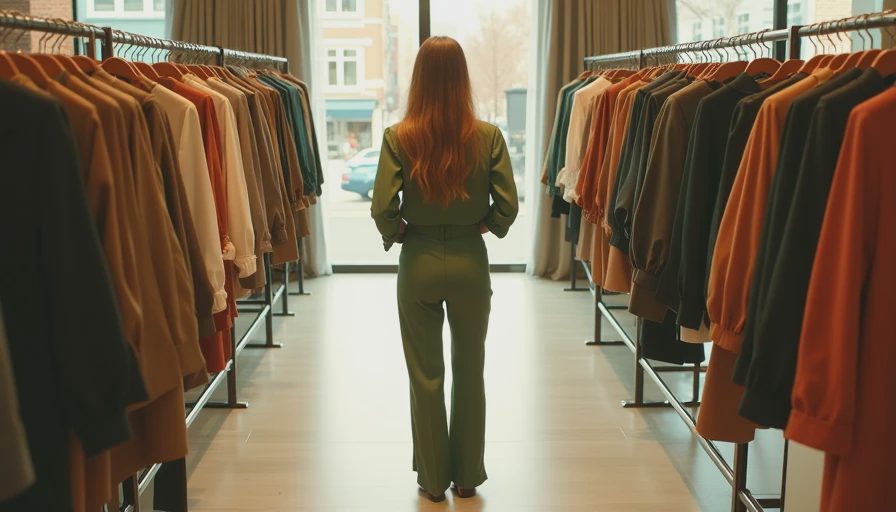
A good search can include Target, Old Navy, Costco, Nordstrom Rack, Kohl’s, JCPenney, and local consignment shops. I’m not saying every item at these stores works. I’m saying the useful pieces are there if you inspect construction and return policies instead of shopping by logo.
Old Navy can be a practical place to test different pant rises and lengths during a promotion. Target often has simple knit tops and cardigans at approachable prices. Nordstrom Rack can be worthwhile for jackets, but check every seam and make sure the discount is real for your budget. At consignment shops, look closely at underarms, hems, and lining. A $22 jacket with deodorant marks is not a bargain.
Online shopping requires a tape measure and a return plan. Keep your measurements in your phone, compare them with the garment chart, and order only when returns are straightforward. Take mirror photos in daylight. A piece that looks fine in a filtered product image can reveal a shiny, clingy fabric in your own hallway.
Build five outfits before buying five more pieces
One of my favorite womens affordable workwear exercises takes ten minutes. Put one pair of pants on the bed and add every top you already own. Photograph the combinations that work. Repeat with your second pair of pants. You’ll quickly see whether you need another blouse or simply forgot about the navy cardigan behind the towels.
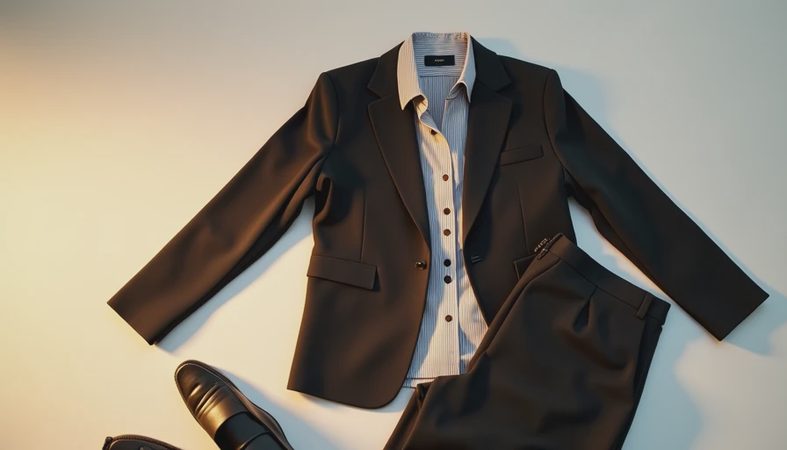
For example, black pants can work with a striped knit top and loafers on Monday, a jewel-tone blouse and low heels on Wednesday, and a cardigan over a simple shell on Friday. Gray trousers can take a denim shirt if your workplace allows it, a sweater for a colder office, or a white tee under a jacket for a presentation. One pair becomes three outfits without any fashion gymnastics.
If you buy a new item, require at least three outfits immediately. A $40 blouse that works with black pants, gray trousers, and a skirt has a job. A $40 blouse that needs special pants and a particular necklace is a project. Your closet already has enough projects.
A simple budget for a working wardrobe
Start with a monthly amount you can pay without using credit. Even $75 can move a wardrobe forward when you shop deliberately. Month one might cover pants at $45 and a $25 top. Month two could add a cardigan around $35. Month three might go toward tailoring, a belt, or comfortable work shoes.
Spend slightly more on items that touch your body all day: pants, shoes, and bras. Save on trend-sensitive colors, basic shells, and layering tees. If your shoes hurt by lunchtime, a cheap pair is not saving money. Look for supportive insoles, a stable heel, and a sole with enough grip for icy Midwestern sidewalks.
Before checkout, ask three questions: Can I wash it the way I normally wash clothes? Can I sit, bend, and reach in it? Can I name three outfits using things I own? If the answer is no, leave it behind. Womens affordable workwear should reduce morning decisions, not create another chore.
The fitting-room test I trust
Wear the undergarments and shoes you’ll actually use with the outfit. Check the front, back, and side views. Sit for two minutes. Walk around. Raise your arms. Look for twisting seams, flashing gaps, sleeve creep, and fabric that becomes transparent when stretched. These are practical tests, not vanity rules.
Then ask how you feel in the clothes. Not whether you look like a completely different person. Whether you can concentrate, move, and get through the day without adjusting yourself every five minutes. That’s the standard I want for womens affordable workwear.
A useful wardrobe is allowed to be ordinary. It should survive coffee spills, school forms, chilly offices, and the occasional emergency trip to the hardware store. Choose clothes that meet you where you are, spend carefully, and tailor one good piece before replacing five almost-right ones. You deserve to be dressed for your real life.


No comments yet — be the first to share a thought.