I’ve stood in enough department-store dressing rooms to know that the best tummy control jeans aren’t necessarily the stiffest, highest-waisted pair on the rack. A good pair should let you sit in the car, bend toward a toddler, and eat lunch without feeling as if your waistband is conducting a personal attack. The right fit comes from a mix of rise, stretch, pocket placement, and construction—not from squeezing yourself into a smaller size.
What tummy control actually means
“Tummy control” is usually a combination of a higher rise, a firm front panel, and denim with enough structure to hold its shape. It isn’t shapewear, and it shouldn’t feel like shapewear. If you’re tugging the waistband up every time you stand, the jeans aren’t doing their job.
Look for denim with about 1 to 3 percent elastane, spandex, or Lycra. A little stretch helps the fabric move with you, while too much can create the dreaded stretched-out knees and a waistband that rolls down by noon. Cotton-heavy denim often feels more secure, but it needs a few minutes of wear before you decide it’s too firm. In a fitting room, sit down, cross one leg over the other, and reach toward your shoes. That little test tells you more than standing in front of a mirror ever will.
Rise matters just as much. A mid-rise can work beautifully if you dislike fabric near your ribs, while a high-rise often gives more coverage when you’re wearing a tucked-in shirt. Neither is automatically better. Your torso length, not a number on a product page, decides where the waistband lands.
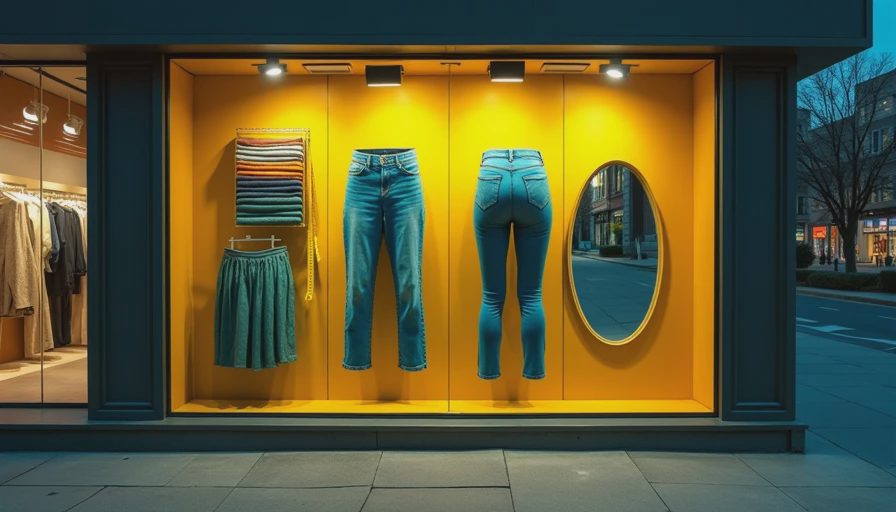
My shortlist of best tummy control jeans
For a dependable everyday pair, I usually start with Lee’s Sculpting Slimming or Flex Motion lines. They’re often priced around $35 to $55, widely available, and made in cuts that don’t require a special occasion. The shaping is noticeable without turning grocery shopping into a workout.
Levi’s 311 Shaping Skinny is another useful option if you like a close leg. It generally runs in the $60 to $80 range, depending on the wash and retailer. The waistband gives a held-in feeling, but the skinny cut is not for everyone. If you prefer more room below the knee, look at Levi’s shaping straight options instead of sizing down in the skinny.
NYDJ is the splurge choice on this list, commonly landing around $100 to $130. Its Lift Tuck construction uses a crisscross panel inside the front, and many women like the smoother feel beneath a knit top. I’d spend the extra money here only if you expect to wear the jeans at least once a week. At 30 wears, a $120 pair costs $4 per wear; that’s reasonable for a pair that survives work, errands, and dinner.
For a lower-cost experiment, check department-store house brands and retailers such as Target or Kohl’s. Prices around $25 to $45 make it easier to try a straight, bootcut, or slim cut without making a major commitment. Read the fiber content before ordering. The product name can promise control while the actual fabric feels like thin leggings with pockets.
The fitting-room test I use every time
Start with your usual size and one size up. Don’t bring only the smaller pair into the room because denim sizing changes between brands, washes, and even colors. Black denim can feel tighter than a lighter blue wash in the same labeled size because of the dye and finishing process.
Fasten the jeans while standing, then sit for two full minutes. If the button digs sharply into your stomach, that discomfort won’t magically disappear at home. Next, walk, squat halfway, and lift one knee as though you’re climbing into an SUV. The waistband should stay in place without cutting into your sides.
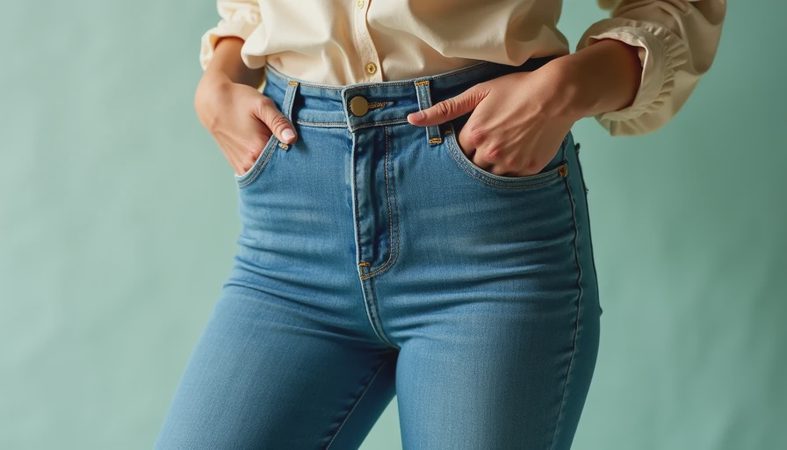
Check the back waistband, too. A gap often means the cut is too straight for your waist-to-hip ratio, not that your body is a problem. Try a curvy fit, a contoured waistband, or a smaller waist with stretch. If the front pockets flare open, the jeans are too tight across the middle or the pocket angle is working against you. Go up a size before you reach for a belt.
Choosing the right leg shape
Skinny jeans can create a clean line under longer sweaters, but they show every change in fabric tension. A straight leg is usually easier for everyday dressing and works with sneakers, ankle boots, and loafers. It also gives your middle a little visual breathing room without requiring an oversized top.
Bootcut jeans can balance a shorter jacket or a fuller shoe, especially when the hem nearly touches the top of your boot. Just make sure the front rise stays comfortable when you sit. Wide-leg jeans are worth trying if you like a relaxed outfit, but they need a firm waistband and a full-length hem to avoid looking bulky.
The best tummy control jeans are the ones whose leg shape matches your real shoes. Bring the shoes you wear most often, or at least wear a similar heel height. A hem that works with winter boots may drag over your Saturday sneakers.
Tops, shoes, and the part nobody tells you
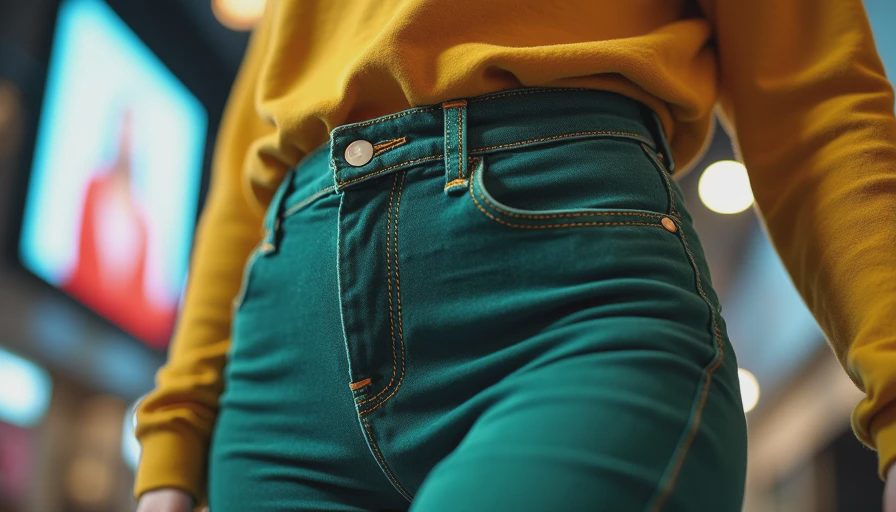
A control waistband doesn’t require a tight top. Try a half-tuck with a button-down, a short cardigan over a simple tee, or a knit top that skims rather than clings. “Skims” means the fabric follows your shape without stretching across every seam. That distinction saves many outfits.
If you prefer a fully tucked shirt, choose jeans with a smooth interior panel and a waistband that sits below your natural rib cage. Add a belt only when it improves the outfit; a belt should not be used to force a loose waistband into place. For shoes, sneakers keep the look practical, while a low block heel gives bootcut or straight jeans a little polish without sacrificing a walkable day.
Color makes a practical difference. Dark indigo and black are easy to wear for work-casual settings and tend to look neater after a long day. Medium blue is more forgiving for weekend wear and usually shows less lint. I’m cautious about heavy fading directly across the stomach because it draws attention to the exact area many shoppers are trying to keep visually quiet.
How to care for a pair you actually like
Wash jeans inside out in cold water and skip the dryer when you can. Heat breaks down stretch fibers faster, especially in jeans with a high percentage of elastane. Hang them from the waistband or lay them flat, then reshape the pockets while damp.
You don’t need to wash denim after every wear unless it’s sweaty, stained, or exposed to something unpleasant. Airing a pair overnight can be enough for a normal office day. Rotate two pairs instead of wearing one pair five days in a row. That small habit helps the fabric recover and gives you more value from your purchase.
If the waistband loosens after an hour but the hips fit, don’t immediately buy a smaller size. The cut may simply need a contoured waistband. If the knees bag out, the fabric may have too much stretch for your routine. A firmer cotton blend is a better next experiment than a tighter size.
My honest buying plan
Set a budget first. Under $50, focus on a reliable everyday wash and a cut you can wear with at least three tops. Between $50 and $90, pay closer attention to the fabric blend, pocket construction, and return policy. Above $100, calculate cost per wear before calling the jeans an investment. A $120 pair worn twice is expensive; a $70 pair worn twice a week for a year is not.
Order two sizes and two cuts when returns are free, then compare them while sitting, walking, and wearing the underwear you normally wear. Keep the pair that feels secure at the waist without making you think about your stomach all day. That is the real standard for the best tummy control jeans: comfort that disappears into the background and clothes that support your actual schedule.
You do not need a new body, a dramatic makeover, or a closet full of denim. You need a waistband that stays put, fabric that recovers, and a cut that works with your shoes and shirts. Dressed for your real life.

No comments yet — be the first to share a thought.