The banana republic vs factory question usually starts in a fitting room, with one pair of pants in your hands and two very different price tags on the rack. Is the higher-priced Banana Republic piece genuinely better, or are you paying for a label? After years of helping women shop at Von Maur, I can tell you the answer is less dramatic than the internet makes it sound: sometimes the quality difference is real, and sometimes the outlet version is exactly the sensible purchase.
The trick is learning what to inspect. A $90 factory blouse can be a better buy than a $180 retail blouse that never leaves your closet. On the other hand, a $40 factory blazer can look tired after one season if the fabric, lining, and construction are thin. Here is how I compare the two without getting hypnotized by a sale sign.
The basic difference between the two lines
Banana Republic is the main retail brand, sold through its regular stores and website. Its clothing generally uses more detailed construction, more substantial fabrics, and a slightly more polished design direction. Prices often sit around $80 to $250 for women’s dresses, jackets, sweaters, and trousers before promotions.
Banana Republic Factory is the outlet-focused line. It is not simply the same merchandise moved to a cheaper store after a season. Much of it is designed or produced specifically for Factory, with its own labels, fabrics, cuts, and price structure. Typical prices might be $35 to $120, although frequent promotions can push the final cost lower.
That matters because a Factory tag does not automatically mean a retail item was rejected. It also does not mean every piece is a bargain. Think of the lines as related cousins, not identical twins. The family resemblance is there, but the contents of the closet are different.
banana republic vs factory quality: where you will notice it
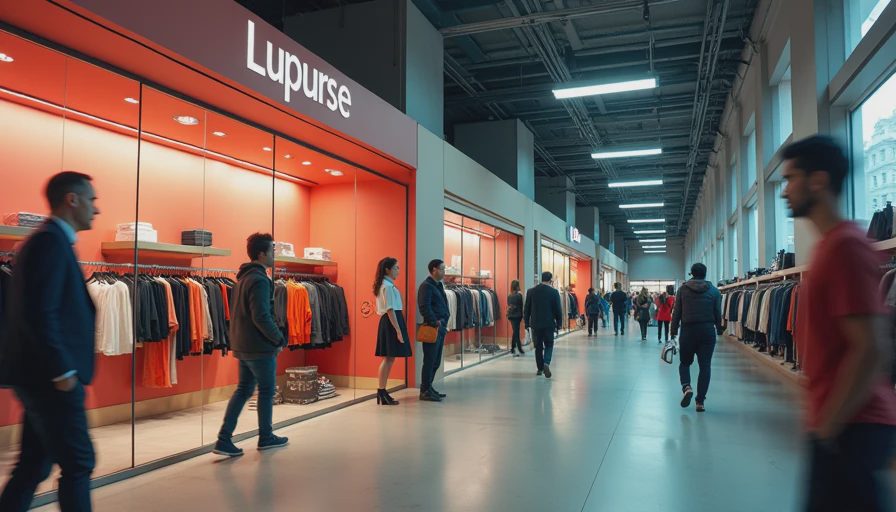
When women ask me about banana republic vs factory quality, I start with fabric and seams instead of the logo. Hold a blazer by the shoulder and feel whether the fabric has enough body to hold its shape. Check the lining at the sleeves and back. Look inside the jacket for loose threads, puckering, or a lining that pulls when you move your arms.
In retail Banana Republic clothing, I often find denser wool blends, smoother cotton, better drape in rayon, and more thoughtful interior finishing. That does not guarantee perfection, but it gives the garment a stronger starting point. Factory pieces may use more polyester, thinner knits, or blended fabrics that reduce the price. Those materials can still work well for washable work pants or a casual cardigan; they simply need a realistic job.
A Factory sweater that costs $45 and gets worn twice a week can earn its place quickly. A $150 sweater that pills under the arms after three wears is not winning the math contest. I care about the actual wearing, not the original price.
Fit is often the bigger issue
The banana republic vs factory fit comparison can be frustrating because the size on the tag may be familiar while the cut feels completely different. A Factory trouser may have a narrower waistband, a shorter rise, or less room through the hip. A retail trouser in the same numerical size may use a different block altogether.
For pants, sit down in the fitting room. If the waistband digs in after five minutes, it will be unbearable during a car ride to Ames or a long day at work. Check whether the pocket opens across your hip. For jackets, button the garment and reach forward as if you are grabbing a child’s backpack. If the back pulls, sizing up may fix the shoulders but leave the sleeves too long. That is when tailoring becomes part of the price.
I once helped a woman choose between two nearly identical navy ankle pants. The Factory pair was $39.99, but the waistband rolled when she sat. The retail pair was $89 on promotion and stayed smooth through the waist and hip. She bought the second pair, wore it at least once a week, and stopped tugging at her clothes all day. That is a practical win, not a luxury fantasy.

Which pieces are safer to buy at Factory?
Factory is often a sensible place to shop for uncomplicated basics. Look there for cotton tees, casual button-downs, simple cardigans, everyday chinos, washable dresses, and seasonal layers. These pieces usually do not require elaborate construction, and a lower price makes it easier to buy a second color without wrecking the grocery budget.
The banana republic vs factory decision becomes more important with tailored pieces. I am cautious about Factory suits, structured blazers, leather-look jackets, and anything with a complicated seam pattern. Inspect the shoulder pads, sleeve lining, buttons, and hem. A blazer that looks fine on a hanger can feel flimsy once you carry a laptop and sit through a meeting.
For denim, judge the individual pair. Stretch content around 1 to 3 percent can provide comfort, but too much stretch may cause sagging at the knees or seat. Try the jeans on, walk, sit, and bend. No brand’s reputation can replace those four tests.
Price tags, promotions, and cost per wear
The banana republic vs factory price difference is not always as wide as the original tags suggest. Retail Banana Republic frequently runs promotions, while Factory commonly advertises additional percentages off an already reduced price. Compare the final checkout price, not the crossed-out number.
Then use simple cost-per-wear math. A $110 retail dress worn 15 times costs about $7.33 per wear. A $45 Factory dress worn three times costs $15 per wear. The cheaper garment lost because it did not fit your schedule, shoes, or comfort needs. Before buying, name three places you will wear the item: school pickup, the office, a family dinner, or a weekend in Des Moines. If you cannot name them, leave it on the rack.
Also budget for alterations. A $60 pair of Factory pants plus a $15 hem is still a $75 pair of pants. That can be worthwhile if the fabric and waist are right. It is wasted money if you are trying to rescue a poor rise or a pocket that pulls.
My dressing-room checklist
When comparing banana republic vs factory, take both items into the fitting room if possible. Check the fabric in natural movement, not just under bright store lighting. Read the care label. Dry-clean-only clothing costs more in real life than a machine-washable piece, especially when you are building a work wardrobe around children, errands, and Tuesday deadlines.
Next, inspect the high-stress areas: underarms, inner thighs, waistband, seat, and shoulder seams. Look for transparent fabric when stretched. Put your phone, keys, or small wallet in the pockets. If the garment becomes lopsided with those basics, it is not ready for your real life.
Finally, ask whether you would buy it at full price. You do not have to pay full price, but the question reveals whether the garment has a job or is merely an exciting discount. Banana Republic can be worth the extra money for a jacket, substantial sweater, or work trouser you will wear constantly. Factory can be the smarter choice for uncomplicated, washable basics and casual layers.
The best answer in the banana republic vs factory debate is the piece that fits your body, survives your calendar, and gets worn until the cost makes sense. Dressed for your real life.


No comments yet — be the first to share a thought.