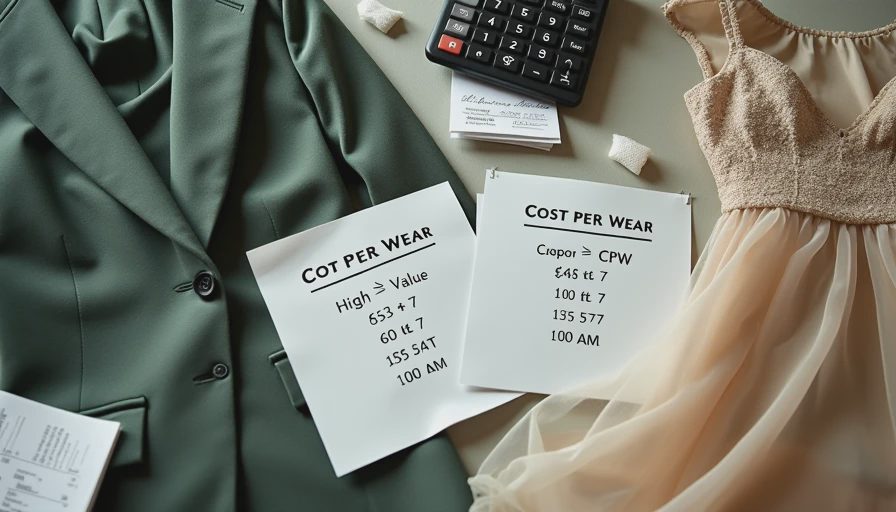
The Cost Per Wear Lie We All Fall For
“Buy this $300 sweater — it’s only $15 per wear if you wear it 20 times!”
Sounds smart, right? Until you realize you’ve only worn it twice in three years. Suddenly that “investment” is costing you $150 per wear.
I used to throw around cost-per-wear numbers in the dressing room like magic math that justified every purchase. Then I started tracking my own closet honestly and realized how easily this metric gets manipulated.
Here’s the more honest truth about cost per wear after years of helping women with their wardrobes.
When Cost Per Wear Math Works
The formula is simple: Price ÷ Number of Wears = Cost Per Wear.
It works beautifully when you actually wear the item. My $48 navy blazer at 62+ wears is currently around $0.77 per wear and still going strong. That’s excellent value.
A $35 sweater I’ve worn 45 times this winter? Under $0.78 per wear. Also fantastic.
These pieces deliver because they fit my real life, match my existing wardrobe, and feel good on my body.
When Cost Per Wear Lies
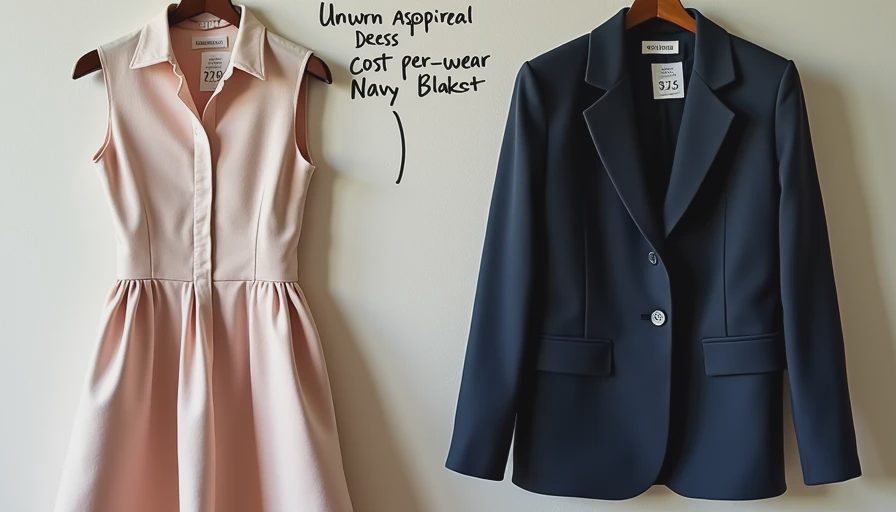
The math falls apart in several common situations:
The “Someday” Piece
That beautiful formal dress for “when I have fancy events.” If you wear it twice in five years, even at $150 it’s $75 per wear. Terrible deal.
The Trend Trap
The statement item you love for one season but feels dated the next. High initial cost, low total wears.
The “Motivational” Purchase
Clothes bought for a fantasy body or lifestyle. They sit unworn while you wait for motivation that never arrives.
The High-Maintenance Item
Dry-clean-only pieces that cost extra money and hassle every time you wear them. Your real cost-per-wear needs to include maintenance.
Better Questions Than Raw Math
Instead of obsessing over the raw number, I teach clients to ask these questions:
Will I actually wear this enough to justify the price? Be realistic about your life.
Does it work with what I already own?孤立 pieces rarely get worn.
How does it make me feel when I wear it? Confidence has value too.
What’s the total cost of ownership? Include alterations, dry cleaning, special care.
How long will it last with regular wear? Quality construction matters.
Real Client Examples
One woman bought a $220 designer blouse that she wore exactly four times. Cost per wear: $55. Painful.
Another client invested in quality black pants at $78. She’s worn them 80+ times. Current cost per wear: under $1. She calls them her best purchase ever.
The difference wasn’t the price tag. It was how well the item fit her actual life and body.
My Honest Cost Per Wear Guidelines
Under $1 per wear — Excellent for frequently used basics
$1–3 per wear — Good for versatile pieces you love
$3–5 per wear — Acceptable for special occasion items worn less often
Over $5 per wear — Only if it’s truly exceptional and brings real joy
These are guidelines, not rules. The most important factor is whether the piece makes your daily life better.
How to Use CPW Wisely
Track your most-worn items for a month to understand your real patterns
Calculate CPW after you’ve owned something for at least six months
Factor in how the item makes you feel — emotional value counts
Consider replacement cost — sometimes paying more upfront saves money long-term
Be honest about your lifestyle, not aspirational
The Bottom Line
Cost per wear is a useful tool, not gospel truth. The goal isn’t to get the lowest possible number. The goal is to build a wardrobe where most items get worn regularly because they genuinely work for you.
Stop using fancy math to justify purchases that don’t serve your real life. Start using it as one data point among many to make better decisions.
Your closet — and your bank account — will thank you.
Dressed for your real life.



No comments yet — be the first to share a thought.