When women search for 50's styles for women, they usually aren't asking for a costume or a list of rules. They want to get dressed for work, errands, dinner, and school pickup without feeling like their clothes belong to somebody else. I understand. After eight years in Von Maur fitting rooms and hundreds of wardrobe appointments, I've learned that good style starts with real life: your weather, your budget, your schedule, and the parts of your body you want to move through the day without fussing over.
The first thing I tell clients is to stop chasing an age-specific uniform. Your early fifties don't require a beige cardigan, and turning sixty doesn't mean surrendering your favorite color. The useful part of 50's styles for women is the balance: polished enough for a meeting, comfortable enough for a grocery run, and simple enough to repeat on Tuesday.
Start with fit, not a number on the tag
Clothing sizes are inconsistent. A size 10 at one store can fit like a size 12 or an 8 somewhere else, so take two or three sizes into the fitting room and ignore the label. A shoulder seam should sit near the end of your shoulder. A blouse should skim without pulling across the bust, and a waistband should stay put when you sit down. If you have to tug, smooth, or adjust an item every five minutes, it isn't earning space in your closet.
For jeans, look for a rise that reaches your natural waist or sits comfortably just below it. A little stretch, usually around 1 to 3 percent elastane, helps with sitting and driving without turning the fabric into thin leggings. Straight-leg and slim-straight cuts work with loafers, sneakers, and ankle boots, which makes them practical for a small wardrobe. A pair priced around $60 to $90 that you wear once a week can reach a reasonable cost per wear within a year.
Fabric matters just as much. Cotton, ponte knit, washable merino, denim, and light wool blends tend to hold their shape better than flimsy polyester jersey. Check the care label before buying. A $35 top that needs dry cleaning after every wear is not the bargain it appeared to be.

The wardrobe foundation that does the heavy lifting
Most useful 50's styles for women begin with five dependable categories: a dark straight-leg jean, a comfortable trouser, a crisp or soft button-front shirt, a knit jacket or cardigan, and a shoe you can walk in. These aren't exciting on a hanger. They become exciting when they let you make twelve outfits without thinking too hard.
Try navy, charcoal, olive, denim, cream, and camel as your working colors. Then add one color that makes you happy, such as tomato red, cobalt, plum, or teal. You do not need an entire closet in one palette. You need enough overlap that the shirt you bought for work also works with jeans on Saturday.
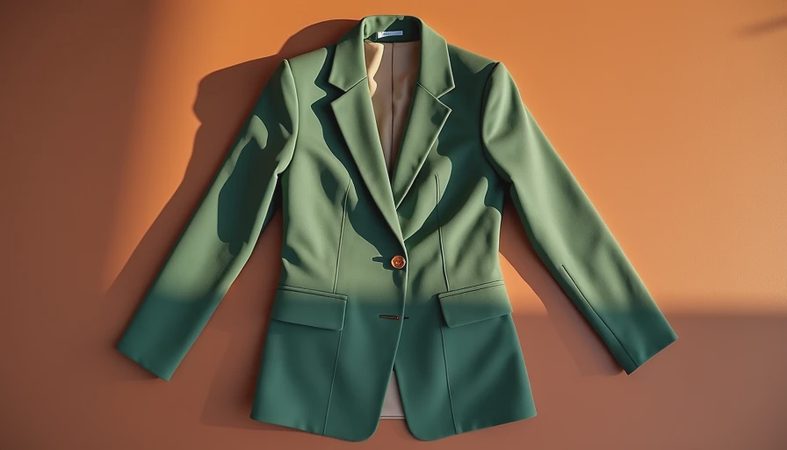
A washable knit blazer from brands such as J.Crew Factory, Lands' End, Talbots, or Nordstrom Rack can be more useful than a stiff traditional blazer. Look for a sleeve you can push up and a front that lies flat when unbuttoned. For trousers, a pull-on waistband is perfectly respectable if it is smooth, substantial, and paired with a shirt that has structure. Nobody needs to know how your waistband works; they only need to see that you look ready for the day.
Outfit formulas for actual Midwest days
The best 50's styles for women are formulas, not daily decisions. For a parent-teacher conference, try ankle-length trousers, a striped knit top, a long cardigan, and loafers. The outfit reads organized without looking like you are headed to a board meeting. For an ordinary office day, wear dark jeans with a white shirt, a patterned scarf, and a camel cardigan. If your workplace is more formal, replace the jeans with navy pants and add a low-heeled pump.
For Saturday errands, use straight jeans, a fine-gauge crewneck, a quilted vest, and clean sneakers. This combination handles a chilly farmers market, the hardware store, and lunch without requiring a costume change. For dinner, start with black ankle pants and a silky blouse, then add a denim jacket or cropped cardigan. The third piece is doing real work here: it adds interest and gives the outfit a finished edge.
One fitting-room client once told me she owned plenty of clothes but “nothing that goes together.” We pulled out three pants, four tops, and two jackets. Every item matched at least two others. She didn't need more shopping; she needed a repeatable system. That is the point of practical 50's styles for women.
Where to spend and where to save
Spend more on items that touch your body all day or need to survive repeated washing. A $90 pair of supportive walking shoes can be a better purchase than three $30 pairs that leave your feet aching. The same logic applies to a bra that fits correctly, a winter coat that blocks wind, and jeans with durable fabric.
Save on seasonal color, statement earrings, scarves, and simple layering tops. Target, Old Navy, Uniqlo, Kohl's, and outlet sections can be useful for these categories, especially when you know the fabric and fit you want. I also buy secondhand wool coats and handbags when the lining, seams, and hardware are in good shape. A $25 thrifted cardigan worn twenty times is a better result than a $75 impulse purchase worn once.
Before buying, imagine three specific outfits using what you already own. If you can name only one, put it back. Also consider your laundry habits. If you never iron, skip the linen shirt that needs pressing after every wash. If you travel for work, choose knits that recover from a suitcase. Clothes should support your life rather than create another chore list.
Small details that make an outfit feel intentional
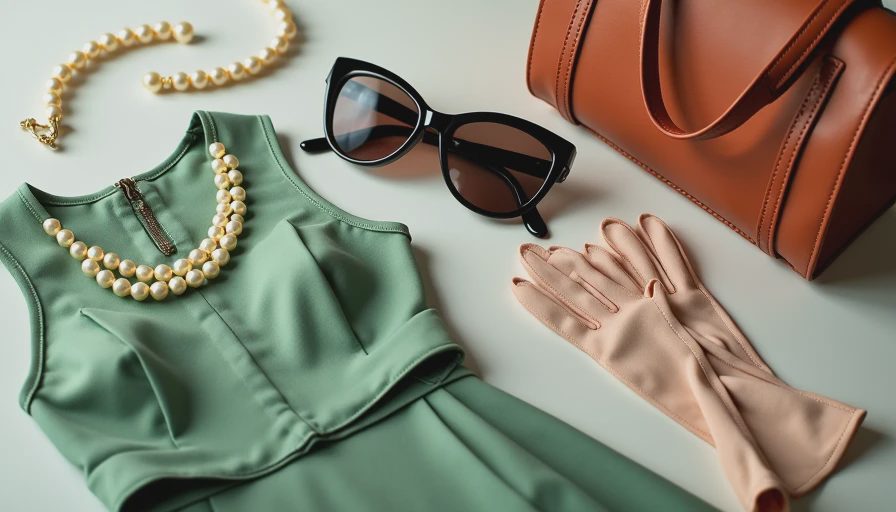
Accessories can bring personality without requiring a complete wardrobe overhaul. Try a medium-size hoop, a watch, a leather belt, or a scarf tied at the neck or handle of a tote. Pick one noticeable detail instead of wearing every accessory at once. A red flat, tortoiseshell frame, or colorful necklace can provide enough energy for a neutral outfit.
Pay attention to proportions. If your top is loose and longer, pair it with a straighter pant. If you choose wide-leg trousers, try a shorter jacket or a shirt tucked only at the front. These are not body rules; they are visual choices that help each piece have room to be seen. If a tucked shirt feels uncomfortable, use a half-tuck, a shorter sweater, or a belt over the layer.
Hair, glasses, and shoes also affect the finished impression. Clean sneakers look deliberate; beat-up sneakers look like you forgot to change. A sweater with pilling needs a fabric shaver, not a new personality. Ten minutes of maintenance can rescue clothes you already paid for.
A simple closet reset this weekend
Take everything out of one clothing category, not the entire closet. Start with pants. Try each pair while standing, sitting, and walking. Keep the ones that fit your current life and repair or donate the rest according to your local options. Repeat with tops, then make five outfits on the bed and photograph them with your phone.
Notice what is missing. Maybe you have plenty of black tops but no comfortable third layer. Maybe every pair of shoes is casual, which explains why dressing for dinner feels difficult. Buy the missing category only after checking resale shops and your own storage bins. A focused $100 purchase can solve a real wardrobe problem; a random $100 shopping trip usually creates another pile.
That is my honest answer when someone asks about 50's styles for women: choose clothes that fit, repeat, wash well, and make sense for your Tuesday. Wear the bright color. Keep the jeans that let you sit comfortably. Skip anything that makes you wince in the mirror. You are not dressing to prove your age or hide it. You are getting dressed for your real life, and that is enough. Dressed for your real life.


No comments yet — be the first to share a thought.