A cost per wear tracker is simply a record of what you paid for an item divided by how many times you wore it. That sounds like homework, but it is really a way to stop guessing about your closet. After years in fitting rooms, I have seen women spend $180 on a blazer they avoid and $38 on a cardigan that becomes their Tuesday uniform. The receipt does not tell the whole story. Your actual wearing habits do.
I like this method because it works for real life: school drop-off, office meetings, grocery runs, book club, and the occasional dinner where nobody wants to discuss the children. You do not need an expensive app or a perfectly organized wardrobe. A note on your phone, a spreadsheet, or an old spiral notebook will do.
What the number actually tells you
The basic formula is purchase price divided by wears. A $120 pair of washable work pants worn 30 times costs $4 per wear. A $45 blouse worn twice costs $22.50 per wear. The second garment looked cheaper at checkout, but the first one gave you more value because it fit your schedule, your body, and your laundry habits.
A cost per wear tracker makes those patterns visible. Start with the item name, price, date purchased, and number of wears. Add a short note about why you reached for it or left it hanging. “Soft, works with three shoes” is useful. “Bought because it was on sale” is useful too, although it stings a little.
Do not judge an item after one week. Weather, travel, and special events can distort the result. Give everyday pieces at least six to eight weeks, then look at the pattern. If your $70 sweater has already been worn ten times, its current cost is $7 per wear and falling. That is solid closet performance.

How to set up your tracker in fifteen minutes
Open the notes app on your phone and create four headings: item, price, wears, and current cost per wear. Then choose ten pieces you bought within the past year. Include a mix of successes and disappointments. If you only track the items you love, you will learn less.
For each piece, estimate the wears honestly. Three full days at work count as three wears. Wearing a dress for two hours at a wedding counts as one wear, but do not count trying it on in your bedroom. If you wore a jacket over several outfits during one busy day, count that as one wear. The goal is a useful record, not an argument with yourself.
Take a quick look at your closet after entering the numbers. You may discover that your $24 black tee has been worn 18 times, while the $95 statement blouse has been worn once. That does not automatically mean the blouse was a bad purchase. Perhaps it serves weddings or holiday dinners. It does mean you should stop calling both items equally useful.
A cost per wear tracker can also include maintenance. Add dry cleaning, tailoring, or special washing when those costs are meaningful. A $60 pair of pants that needs $18 hemming starts at $78. That is still reasonable if you wear it often, but the honest starting number is $78.
Read your closet before buying anything new
Before shopping, review your lowest-cost items and ask what they have in common. In my closet, the winners usually have a comfortable waistband, fabric that survives the washing machine, and colors that work with at least three other pieces. They are not necessarily exciting on the hanger. They are easy on a rushed morning.
This is where the tracker becomes a shopping filter rather than a punishment tool. If five dresses in your history stalled at two wears, do not buy another dress because it is marked down from $110 to $55. If your straight-leg jeans get worn twice a week, spending $90 on a better-fitting pair makes more sense than collecting another almost-right pair for $35.
Use the cost per wear tracker before checkout by making a reasonable prediction. A $140 cardigan sounds expensive, but if you expect to wear it 35 times over two winters, the target is $4 per wear. A $40 novelty top may need 10 wears to match that value, and your calendar may not provide those occasions.
Price still matters. A low cost per wear does not excuse poor construction, uncomfortable fabric, or an item that makes you tug at the hem all day. You are allowed to retire something even if the math looks good. Comfort is part of the value calculation.
A real-life comparison: three purchases
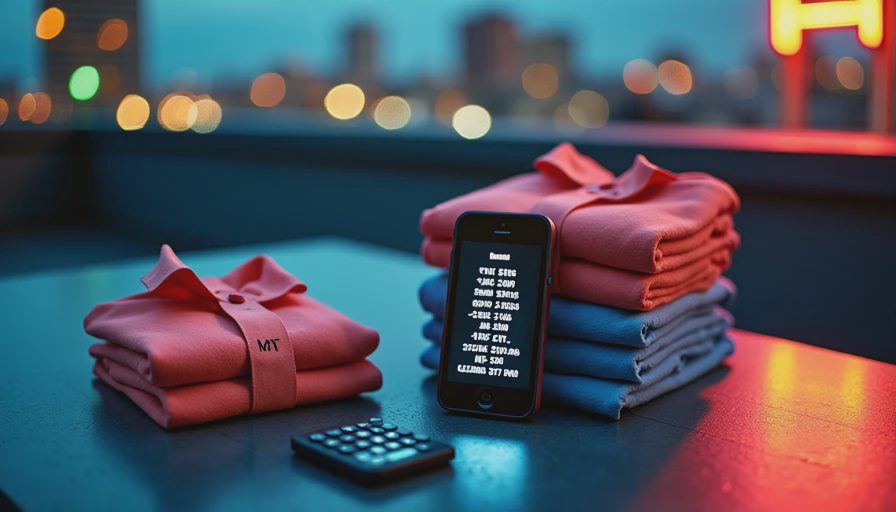
Imagine three purchases from the same month. First, a $32 cotton cardigan worn 24 times: $1.33 per wear. Second, a $78 pair of ankle pants worn 16 times: $4.88 per wear. Third, a $125 patterned jacket worn three times: $41.67 per wear.
The cardigan is the clear workhorse, but the pants may be the better clothing investment if they fill a genuine gap and continue working next season. The jacket needs more context. If it was bought for a family portrait, conference presentation, and two holiday dinners, four planned occasions could bring the number down quickly. If it hangs there because the colors do not suit anything else, no amount of positive thinking will fix the purchase.
A good tracker leaves room for this context. Add columns for occasion, comfort, laundry effort, and outfit combinations. You will start seeing why certain garments earn repeat wears. Sometimes it is the fabric. Sometimes it is the neckline. Sometimes the item does not require a special bra, complicated shoes, or a weather forecast.
How to use the results without becoming rigid
The purpose is not to demand that every garment reach $2 per wear. A winter coat might cost $18 per wear because you own one good coat and use it for years. A mother-of-the-bride dress may never become inexpensive, but it can still be the right purchase when it fits the event, your budget, and your comfort needs.
Review your list once a month, preferably while folding laundry. Mark items that passed 10 wears, items that need a small repair, and items you have avoided three times. A $12 alteration can rescue a $60 skirt. A donation can clear space for clothes you will actually choose. Do not keep something solely because you are trying to improve its number.
I also recommend tracking outfits, not just garments. A shirt may look neglected because you wear it only under a cardigan. That is still useful information. If one pair of pants creates four reliable outfits, record those combinations in your phone. Future shopping becomes much easier when you know exactly what is missing.
The simplest weekly habit
Every Sunday evening, add the week’s wears while you check the family calendar. Put a small mark beside each item or enter the number in your note. Then ask one question: What did I reach for when I was tired? Those pieces deserve attention. They may need a duplicate, a different color, or a more polished version for work.
After three months, your cost per wear tracker will show more than bargain hunting ever can. It will show your actual uniform, your neglected categories, and the clothes that support your real schedule. Use that information before the next sale email convinces you that a discount is the same thing as value.
The best wardrobe is not the one with the most pieces. It is the one that gives you dependable choices when the coffee is cold and somebody cannot find a left shoe. Start with ten items, keep the math honest, and let your own wearing habits guide the next purchase. Dressed for your real life.


No comments yet — be the first to share a thought.