Everyday cute outfits should make Tuesday morning easier, not require a second mortgage or a closet full of clothes you cannot sit down in. After eight years helping women get dressed at Von Maur in West Des Moines, I learned that most people do not need a dramatic makeover. They need three dependable pieces, a decent mirror, and a little advice about fabric and fit.
The best everyday cute outfits are comfortable enough for a school pickup, polished enough for a work call, and practical enough for carrying groceries through a windy parking lot. That sounds simple because it is. The hard part is knowing which simple pieces deserve your money and which ones will hang untouched behind the winter coats.
Start with a reliable outfit formula
When a woman tells me she has nothing to wear, I usually ask what she needs to do that day. A parent-teacher conference calls for something different from a Saturday farmers' market trip, but both can begin with the same formula: one easy bottom, one clean top, one useful layer, and shoes you can actually walk in.
For work, try straight-leg dark denim or ankle trousers with a cotton knit top and a soft blazer. The blazer does not need to feel corporate. A knit version from Old Navy, Target, or Lands' End can add structure without making you look like you are headed to a board meeting. For errands, swap the blazer for a denim jacket or lightweight cardigan. For everyday cute outfits, the change of one layer often does more than buying a whole new outfit.
I like a bottom with enough room to bend at the waist and a waistband that stays put when you sit. If you are constantly pulling down a shirt or adjusting your jeans, the clothes are not doing their job. Try two sizes, sit in the fitting room, and lift your arms. That little test reveals more than a quick glance in the mirror.
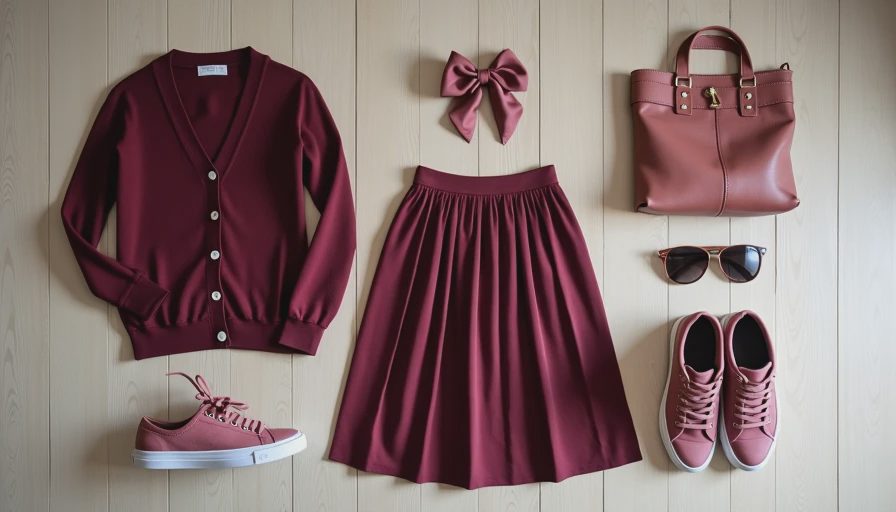
Shop for fabric before decoration
A plain cotton-modal tee that survives the washer is more useful than a ruffled blouse that needs special handling. Look for cotton, modal, rayon blends, washable knits, and denim with enough recovery to keep its shape. A small amount of stretch can make a pair of pants comfortable, but excessive stretch often means knees and seat areas lose their shape by lunchtime.
For everyday cute outfits, I would rather see a $35 sweater worn twice a week than a $90 statement top worn once. That $35 sweater becomes about 34 cents per wear after two years of regular use. Cost per wear is not a magic formula, but it keeps a pretty price tag from fooling you.
Check the care label while you are still in the store. If a top says dry clean only and you already avoid laundry that requires sorting, believe the label. A $28 machine-washable blouse is a better purchase than a $70 blouse that stays in the hamper. Also inspect the seams, especially under the arms and along the side panels. Loose threads are not always a deal breaker, but crooked stitching usually gets worse after washing.
Color matters, but you do not need to live in black, navy, and gray. Choose one dependable neutral, one color you enjoy wearing, and one pattern that works with at least three pieces you own. A soft green cardigan, for example, can work with denim, tan trousers, and a printed skirt.
Three everyday outfits I would build first
The first outfit is jeans, a striped knit top, a cardigan, and clean leather sneakers. It works for the library, a casual office, and lunch with a friend. Choose a medium-weight stripe rather than a thin fabric that clings across the middle. Brands such as Kut from the Kloth, Universal Thread, and NYDJ offer different price points, but fit matters more than the label.
The second is pull-on ankle pants, a tucked or half-tucked tee, a utility jacket, and loafers. This is one of my favorite everyday cute outfits because it handles car rides, errands, and a casual Friday without looking like loungewear. Look for a flat front and a wide, comfortable waistband. Avoid pants that twist at the hip when you walk; that usually means the cut is wrong for you, not that your body needs changing.
The third is a washable midi dress with a denim jacket and ankle boots. A dress can be faster than assembling separates, especially on mornings when someone has lost a permission slip. Add a belt only if you like wearing one. You do not need to mark your waist to look finished.

Make shoes and accessories do practical work
Shoes can change the entire mood of everyday cute outfits, but they should not punish you for leaving the house. A clean white sneaker, a supportive loafer, a low block heel, and a weather-ready ankle boot will cover most of a Midwestern year. Before buying, walk around the store for five minutes. Your toes should not touch the front, and your heel should not slide with every step.
Accessories should solve a problem. A crossbody bag keeps both hands free at the grocery store. A medium-sized tote works for a laptop, water bottle, and the random child artwork that ends up in your car. Small gold or silver hoops can make a simple tee feel intentional, while a lightweight scarf adds color when you do not want a necklace.
I am not interested in accessories that require constant adjustment. If a necklace catches on your sweater or earrings make your ears sore by noon, they will not become better through positive thinking. Put them back.
Spend money where you notice discomfort
Save on basic tees, seasonal colors, and simple tanks. Spend a little more on jeans that fit your waist and hips, a bra that supports the clothes you wear over it, and shoes you can walk in. A $75 pair of jeans worn 60 times costs $1.25 per wear. A $24 pair worn twice costs $12 per wear, even before you count the frustration.
You can also build everyday cute outfits from secondhand pieces. Thrift stores are excellent places to look for wool cardigans, denim jackets, leather belts, and sturdy bags. Inspect the underarms, cuffs, zippers, and lining before paying. For online resale, ask for measurements instead of relying on a size label. A vintage size 12 and a current size 12 may have very little in common.
Before shopping, photograph three outfits you already wear and one outfit that never works. The successful photos show your real proportions, preferred colors, and actual lifestyle. The failed outfit can reveal a recurring issue, such as sleeves that are always too tight or tops that end at an uncomfortable spot.
A five-minute morning check
Give yourself five minutes before walking out the door. Sit down and stand up once. Check whether the waistband digs in, the shirt gaps, and the shoes feel secure. Look at the outfit from the side, not only straight on. Then add one finishing detail: earrings, a watch, lipstick, or a jacket with sleeves pushed neatly to the forearm.
If an outfit needs constant tugging, it is not one of your everyday cute outfits, no matter how good it looked on the hanger. Put it in a repair pile, alteration pile, or donation bag. Your closet should support your real schedule, including rushed mornings and weather that changes by lunchtime.
That is the whole goal: clothes that help you move through your day without making you think about them every ten minutes. Start with what you already own, replace the pieces that repeatedly annoy you, and spend with cost per wear in mind. You do not need to dress like a magazine. You need clothes that feel like yours. Dressed for your real life.

No comments yet — be the first to share a thought.