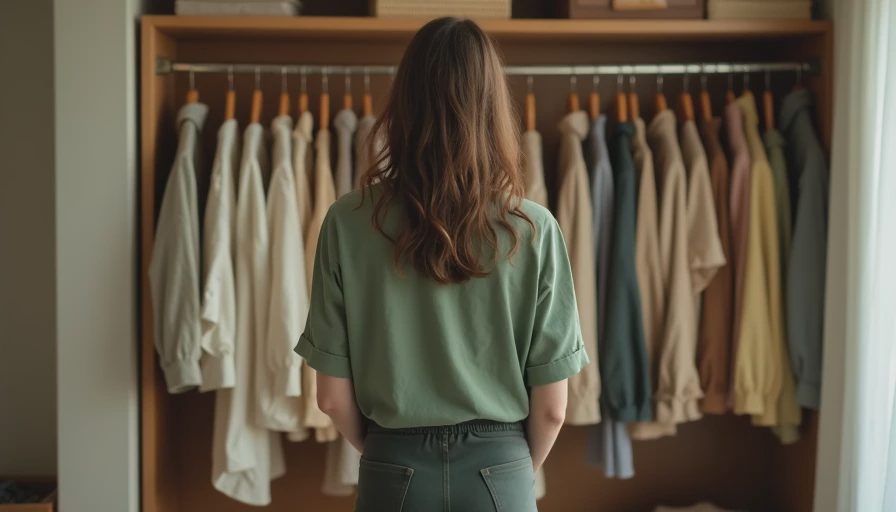
The Day I Quit Using That Word
I was in a dressing room with a lovely woman in her late 40s. She tried on a beautiful top and immediately said, “It’s not very flattering on my arms.”
That word stopped me cold. Because what she really meant was, “My arms make me feel self-conscious and this top shows them.”
We’d been trained to believe our bodies need to be hidden or “fixed” by clothing. That moment crystallized something I’d been feeling for years.
I stopped using the word “flattering” that day. I haven’t used it since.
What “Flattering” Actually Does
The word “flattering” sounds kind, but it carries heavy baggage. It implies:
Some bodies are better than others
Your job is to hide your “problem areas”
There’s a universal standard of what looks good
Your worth is connected to how well your clothes disguise you
I heard it constantly in the dressing room. “Does this make me look thinner?” “Is it flattering on my hips?” The anxiety was palpable.
We deserve better language. We deserve clothes advice that starts with respect for the bodies we actually have.
What I Talk About Instead
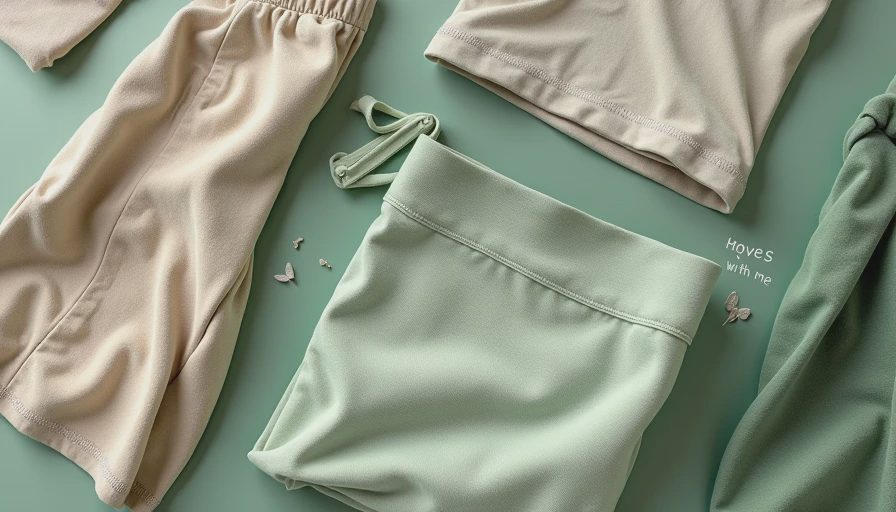
Now when I work with clients, I focus on different questions:
Does this feel comfortable when you move?
Can you breathe and sit without adjusting constantly?
Does the fabric feel good against your skin?
Do you feel like yourself in this?
Will this work for your actual life and activities?
These questions lead to much better outcomes because they’re honest about real bodies and real days.
Real Stories from Real Bodies
One client had spent years avoiding anything that showed her upper arms. When we found soft sleeves in a fabric she loved, she cried — not because her arms looked different, but because she finally felt free.
Another woman thought she needed to hide her stomach. We focused on fabrics with drape and good waist definition that made her feel supported instead of squeezed. She stood taller immediately.
The change wasn’t about concealment. It was about alignment — clothes that worked with their bodies instead of against them.
The Midwest Reality Check
Our bodies do real work. They carry children, garden in challenging soil, sit through long meetings, hug family members, and keep going through Midwest winters.
They don’t need to be “flattered.” They need clothes that respect what they do every day.
New Language for Better Dressing
Try these phrases instead:
“This moves well with my body”
“I feel comfortable and confident”
“This fabric works for my lifestyle”
“I like how this lets me move freely”
“This color makes me feel energized”
These statements focus on how clothes serve us rather than how they judge us.
My Promise About Body Language Here
You will never hear me promise that certain clothes will make you look thinner, younger, or “better.”
You will hear me talk about fit, fabric, movement, and joy in dressing. You’ll hear stories about real women with real bodies finding clothes that make daily life easier and more pleasant.
Because that’s what actually matters.
The Freedom on the Other Side
When you stop chasing “flattering,” something beautiful happens. You start choosing clothes based on how they make you feel in your actual body on your actual days.
You stand differently. You move more freely. You waste less time and money on pieces designed to fight your natural shape.
You start dressing for the woman you are — not the one you think you should be.
That’s real confidence.
And it looks good on every single body.
Dressed for your real life.

No comments yet — be the first to share a thought.