I have spent years standing beside women in dressing rooms while they muttered, "I need something for work, but I cannot spend $200 on one blouse." That is exactly where affordable womens workwear comes in. Not flimsy polyester that pills before the second wash. Not office clothes cut for a body that sits at a desk all day and never reaches for a file on the bottom shelf. I mean clothes that look pulled together, survive normal laundry, and leave enough money for groceries.
Start with the workday you actually have
Before buying anything, describe your workday honestly. Do you sit in a climate-controlled office, walk through a school building, drive between appointments, or spend half the day lifting boxes and the other half answering emails? The right affordable womens workwear depends on those details.
For a desk-based job, begin with two pairs of machine-washable pants, three tops, and one cardigan or washable blazer. A straight-leg ankle pant from brands such as Lands' End, Old Navy, or Target's A New Day line can often land between $25 and $70, especially during regular promotions. If you stand or walk, look for a little stretch and a waistband that does not dig in when you sit.
A cardigan is often more useful than a structured jacket. It works over a sleeveless shell, a button-front shirt, or a simple knit dress, and it does not make you feel overdressed at a casual office. Pick one in navy, charcoal, camel, or a muted burgundy. Those colors work hard without requiring a complicated outfit.
The five-piece starter closet
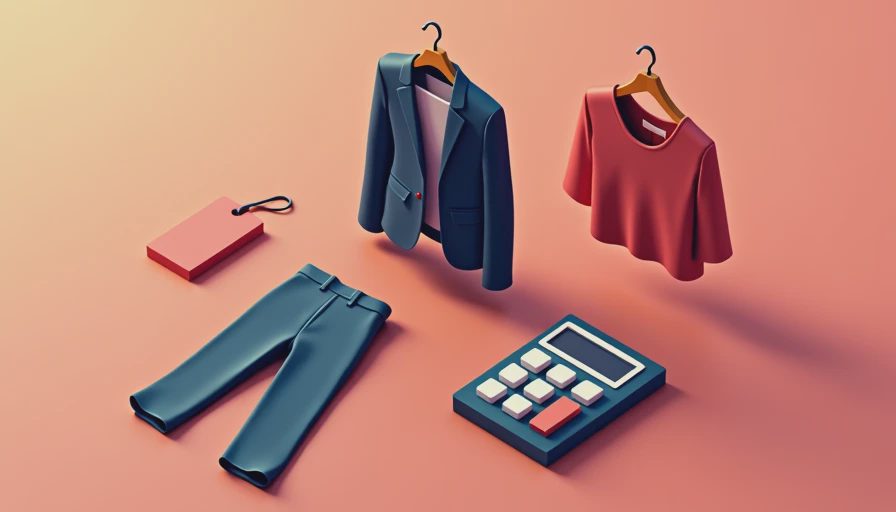
A useful affordable womens workwear wardrobe does not need twenty separate decisions before 8 a.m. Start with five pieces that can make at least eight outfits: black or navy pants, a second pair in tan or gray, a washable knit top, a collared shirt, and a cardigan or jacket.
Here is a practical example. Wear navy pants with an ivory knit top and brown loafers on Monday. On Tuesday, use the tan pants with the same top and a navy cardigan. On Wednesday, pair the collared shirt with the navy pants. Thursday can be the tan pants, a colored shell, and the cardigan. Friday might be a knit dress with the jacket. Add a belt, earrings, or a different shoe, and the clothes do not look like the same uniform every day.
The trick is not buying more color. It is buying pieces that share a temperature and a level of formality. If your pants are polished but your tops are thin weekend tees, the closet will feel mismatched. If every item needs dry cleaning, the outfit will cost more than the price tag suggests.
What to inspect in the dressing room
Price is only half the calculation. Turn the garment inside out. Look at the stitching around the pockets, the zipper, and the seat of the pants. Loose threads are not always a deal breaker, but a crooked seam or puckered waistband usually signals trouble after washing.
Sit down for a full minute. Reach forward as if you are typing. Raise both arms. Walk a few steps. If the blouse pulls across the chest when you reach, going up a size may fix the problem, but check whether the shoulders become too wide. If the larger size hangs like a tent, try a different cut instead of blaming your body.
For affordable womens workwear, fabric matters. A blend with rayon, nylon, cotton, or a small amount of elastane can feel better and hold its shape longer than very thin all-polyester fabric. That does not mean every synthetic is bad. It means you should rub the fabric between your fingers, check for transparency under bright light, and imagine wearing it for eight hours.
Where to spend and where to save
Save on basic tops if you can find a neckline and sleeve length you like. A $22 shell worn twice a month for a year costs about 92 cents per wear before laundry. Spend a little more on pants if the waistband stays comfortable, the pockets lie flat, and the fabric does not bag at the knees by lunchtime. A $65 pair worn weekly for a year can cost roughly $1.25 per wear, which is often smarter than replacing three $30 pairs.
Shoes deserve practical attention, too. You do not need designer pumps. A supportive loafer from Naturalizer, Clarks, Skechers, or a similar comfort-focused line can make more sense if you commute, stand at a counter, or walk across a parking lot in February. Look for a stable heel, cushioning under the ball of the foot, and enough room for your toes. The best affordable womens workwear outfit is useless if you spend the afternoon quietly suffering in your shoes.
For savings, watch clearance sections after the busiest shopping weeks, use store loyalty discounts, and check resale shops for jackets and wool trousers. Secondhand blazers are often a better gamble than secondhand knit tops because structured fabric shows less wear and can be professionally cleaned.
A realistic weekly outfit plan
Let me show you how I would build a five-day rotation for someone with a $250 starting budget. Spend about $55 on navy pants, $45 on gray pants, $25 each on two knit tops, $30 on a striped button-front shirt, and $45 on a cardigan. That leaves roughly $25 for a belt or simple jewelry. Prices shift by store and sale timing, but the structure matters more than the exact numbers.
Monday: navy pants, ivory top, cardigan, and loafers. Tuesday: gray pants, striped shirt, and flats. Wednesday: navy pants, colored top, and a belt. Thursday: gray pants, ivory top, cardigan, and ankle boots. Friday: striped shirt untucked over the navy pants if your workplace allows a relaxed finish.
Notice what is missing: five new outfits, a statement jacket, and a closet full of novelty pieces. You can add those later, once you know which pants stay comfortable and which necklines you actually reach for. This is affordable womens workwear built around repetition, not guilt.
The fit problems I see most often
The first is a sleeve that ends at the widest part of the arm and catches on every desk drawer. Try a three-quarter sleeve, a cuffed sleeve, or a soft cardigan instead. The second is pants that fit in the waist but pull across the hips. Look for a contoured waistband, a curvier cut, or a tailor who can adjust the waist. A basic alteration often costs $15 to $30, far less than replacing a pair that almost works.
The third problem is a blouse that needs constant tucking. A slightly curved hem, a longer back, or a fine-gauge knit can solve that. Try the garment with the bra you normally wear and the shoes you normally wear. A fitting-room victory in shapewear and heels is not useful on a Tuesday morning when you are packing lunches.
That is the standard I use for affordable womens workwear: Does it move, wash, combine with what you own, and help you get through the day without fussing? If yes, it has earned a place in your closet.
A quick buying checklist
Before you pay, ask five questions. Can you make three outfits with this piece? Can you wash it without a special trip to the cleaner? Does it feel comfortable after sitting and reaching? Is the fabric opaque in ordinary light? Would you still choose it if the logo and trend details disappeared?
If you answer no to two or more, put it back. A low price is not a bargain when the item stays on a hanger. Take a photo of your existing pants and shoes before shopping so you can compare colors in the store. Keep receipts, test new garments at home with the tags attached, and wear each purchase at least three times during the first month. That is how you learn whether affordable womens workwear is genuinely earning its keep.
You do not need a makeover. You need a small group of dependable clothes, a sensible laundry plan, and permission to ignore anything that makes you tug, pinch, or apologize. Dressed for your real life.



No comments yet — be the first to share a thought.